Adult Amblyopia: Is it Too Late?
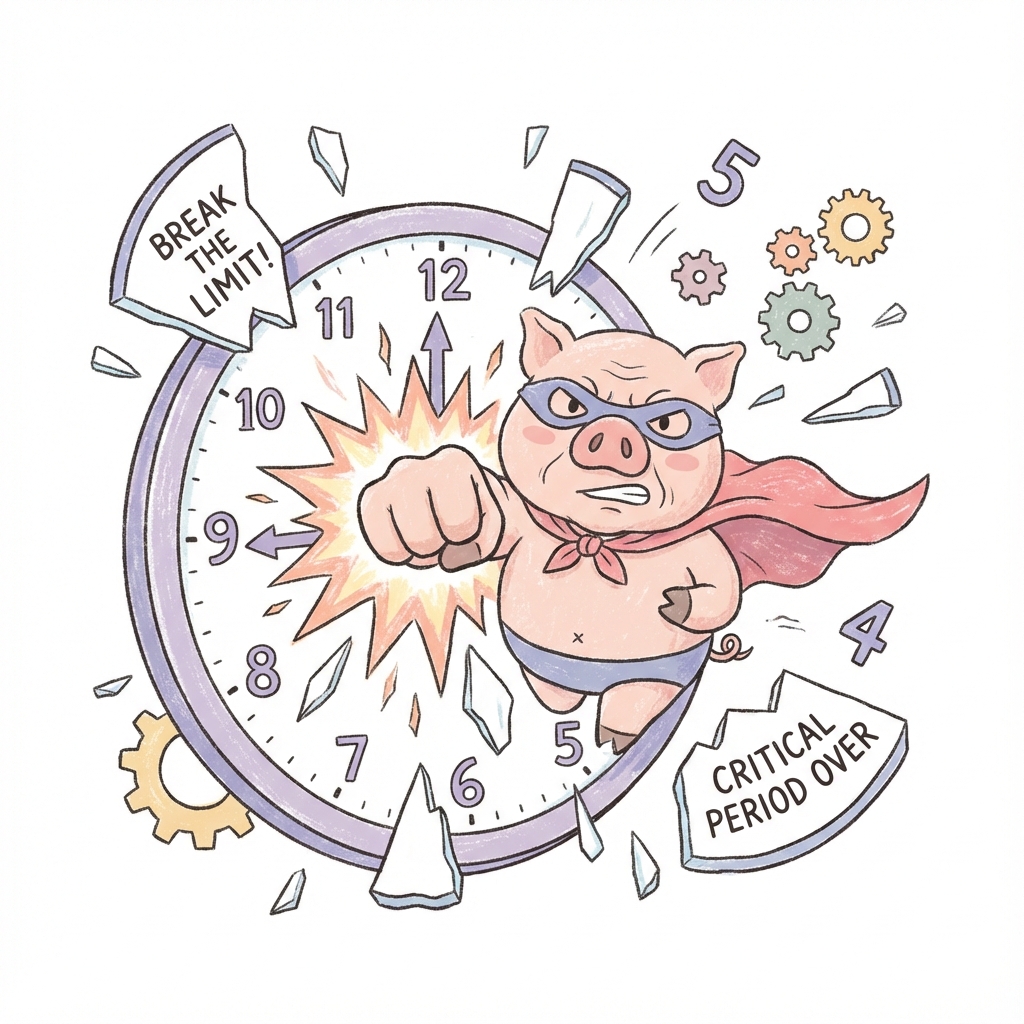
For decades, doctors told patients: "If you don't treat lazy eye by age 7, it's permanent." If you are an adult with amblyopia, we have good news: That is a myth.
The Myth of the "Critical Period"
In the past, scientists believed the brain's visual cortex lost its plasticity (ability to change) after childhood. This was known as the "critical period."
However, modern neuroscience has proven that the adult brain retains plasticity. While it is easier to wire the brain as a child, it is absolutely possible to rewire it as an adult. It just takes more effort.
How Adult Treatment Differs
Treating amblyopia strategies in adults is different from children:
- Passive Patching isn't enough: Just wearing a patch while doing chores often won't work for adults. Your brain is too stubborn.
- Active Engagement is Key: You need high-intensity visual tasks (like video games) to force the brain to pay attention to the weak eye.
- Perceptual Learning: This involves repetitive practice of specific visual tasks (like spotting a target in clutter) to improve the brain's processing speed and accuracy.
Video Games as Medicine
Research published in journals such as Nature reports that, in studies of adults with amblyopia, action video games have been associated with gains in visual acuity and contrast sensitivity.
Piggy Peekaboo draws on these ideas of Perceptual Learning, asking you to spot targets quickly and accurately with your weaker eye, an active and engaging way to keep practicing.
What to Expect
Adult treatment is a marathon, not a sprint. You may need to train for months to see significant results. But many adults have successfully:
- In published studies, some adults have shown gains in visual acuity (reading more lines on the eye chart).
- Gained or improved 3D depth perception.
- Reduced eye strain and headaches.
It's never too late to stay engaged. Ask your eye-care professional about active visual practice, and make it fun.
Start Playing