Early Detection Signs
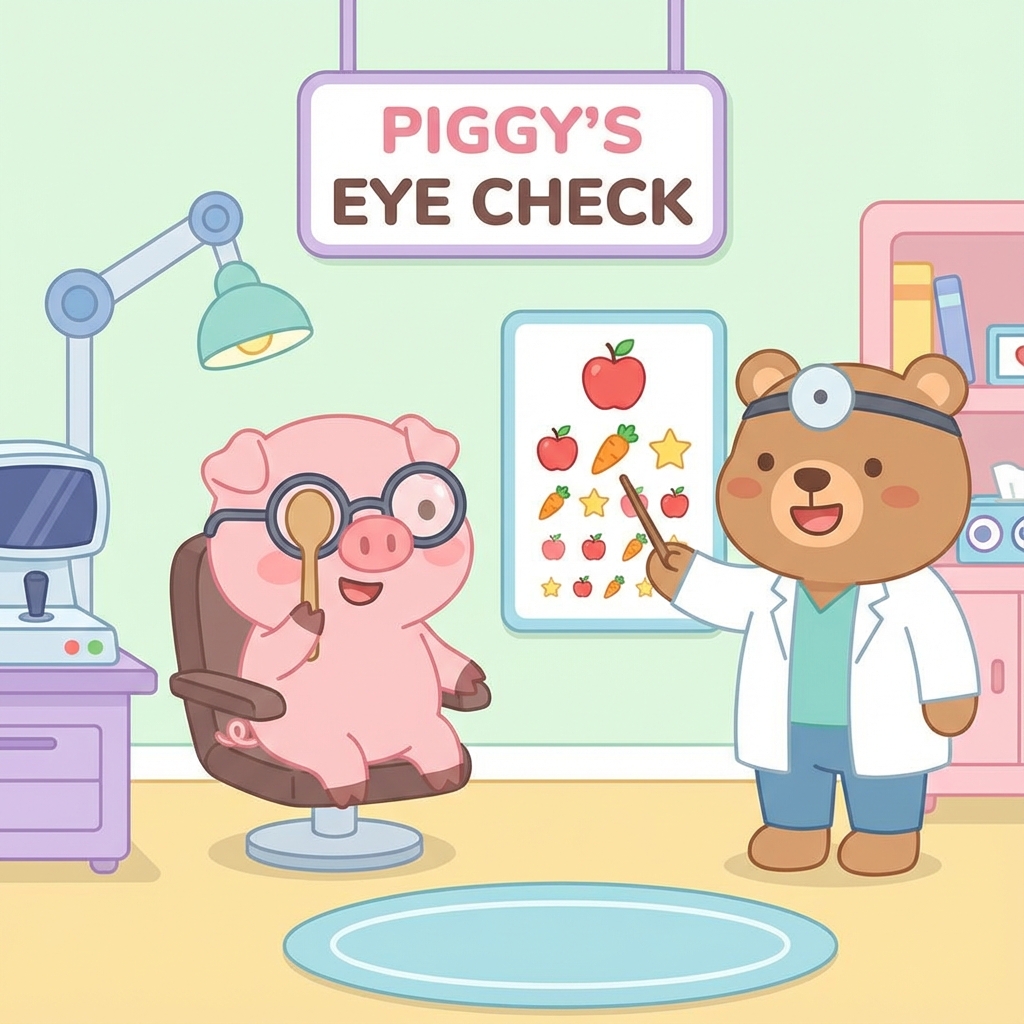
Amblyopia (lazy eye) is best treated when detected early. However, children often don't express that they "can't see clearly" because they may think this is just how the world looks.
1. Signs to Watch For in Daily Life
Parents should watch for these behaviors, which could be warning signs of vision problems:
- Squinting or Frowning: Does your child habitually squint when watching TV or looking at distant objects?
- Head Tilting or Turning: Trying to use the "good eye" or finding a specific angle to focus.
- Covering One Eye: Does your child close or cover one eye in bright sunlight or when needing to concentrate?
- Frequent Blinking or Rubbing: This may indicate eye strain or blurred vision.
- Poor Depth Perception: Frequently bumping into things, trouble catching a ball, or hesitation when using stairs.
2. Signs During Reading or Learning
Vision problems are often mistaken for learning disabilities or lack of focus:
- Reading Too Close: Holding books or screens very close to the face.
- Reading Difficulty: Skipping lines, missing words, or using a finger to guide reading.
- Short Attention Span: Children may lose patience with reading or near tasks quickly due to eye strain.
3. Recommended Exam Schedule
Many vision problems have no obvious symptoms early on, making regular eye exams crucial. The American Academy of Ophthalmology recommends:
- Newborn: Screened for basic eye health.
- 6 to 12 Months: First comprehensive eye exam to check structure and focusing ability.
- 1 to 3 Years: Watch for strabismus or other abnormalities during regular health checkups.
- 3 to 5 Years: Visual acuity and stereopsis screening; this is a critical period for detecting amblyopia.
- 5 Years and Older: Annual checkups, especially before starting school.
Important Reminder: If you observe any of the signs above, or if there is a family history of amblyopia or strabismus, please take your child to an eye care professional as soon as possible. Early detection means better treatment results!