Nutrition for Little Eyes: Eating for Better Vision
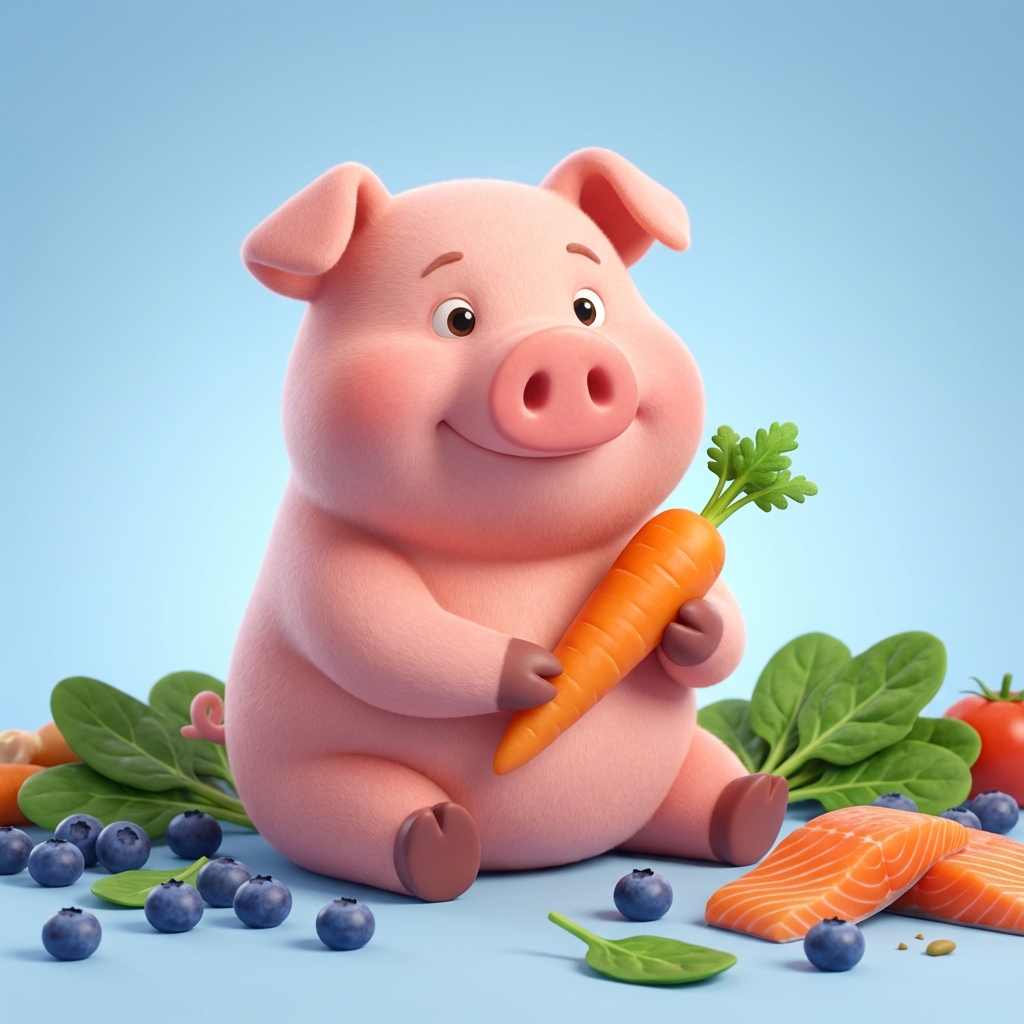
"Eat your carrots so you can see in the dark!" We've all heard it, but the connection between diet and vision goes far beyond just carrots. For children with developing eyes—especially those undergoing therapy for amblyopia—proper nutrition provides the essential building blocks for retinal health and neural connections.
The Building Blocks of Vision
Your child's eyes are constantly growing and developing. Just like bones need calcium, eyes need specific micronutrients to function optimally and protect themselves from damage.
1. Lutein & Zeaxanthin: The Internal Sunglasses
These two carotenoids are concentrated in the macula, the part of the retina responsible for central detailed vision. They act like internal sunglasses, filtering out harmful high-energy blue light and protecting retinal cells from oxidative stress.
- Super Sources: Kale, spinach, broccoli, corn, peas, and egg yolks.
- Kid-Friendly Tip: Blend spinach into fruit smoothies (they won't taste it!) or make "Hulk" pancakes with a little green food coloring and pureed veggies.
2. Vitamin A: The Night Watchman
This is where the carrot myth comes from. Vitamin A is crucial for the production of rhodopsin, a pigment in the retina that helps us see in low-light conditions. A deficiency can lead to night blindness.
- Super Sources: Sweet potatoes, carrots, pumpkin, cantaloupe, red bell peppers.
- Kid-Friendly Tip: Sweet potato fries or carrot sticks with hummus dip are usually a hit.
3. Omega-3 Fatty Acids: Brain & Eye Boosters
DHA, a type of Omega-3, is a major structural component of the retina. Adequate intake is vital for visual development and retinal function in infants and children. Plus, it helps with tear production, preventing dry eyes.
- Super Sources: Salmon, mackerel, tuna, walnuts, chia seeds, flaxseeds.
- Kid-Friendly Tip: If fish is a no-go, try fish oil gummies or add ground flaxseed to yogurt or oatmeal.
4. Vitamin C & E: The Bodyguards
These powerful antioxidants protect the eyes from damage caused by unstable molecules called free radicals.
- Super Sources: Oranges, strawberries, kiwis (Vitamin C); Almonds, sunflower seeds, avocado (Vitamin E).
- Kid-Friendly Tip: Fruit salads or homemade popsicles made from real fruit juice.
The Sugar Trap
While we focus on what to eat, it's also important to know what to limit. Excessive sugar intake causes inflammation in the body, including the tiny blood vessels in the eyes. High blood sugar spikes can temporarily affect the lens of the eye, causing blurry vision.
The Takeaway: You don't need to ban sugar entirely, but prioritize whole fruits over candy and soda to support overall and ocular health.
A "Visionary" Meal Plan Idea
- Breakfast: Scrambled eggs (Lutein) with berries (Vitamin C).
- Lunch: Turkey sandwich with spinach (Lutein) and a side of baby carrots (Vitamin A).
- Snack: Yogurt with walnuts (Omega-3).
- Dinner: Grilled salmon (Omega-3) with sweet potato mash (Vitamin A).
Feeding your child well is one of the best supportive therapies you can offer. Combined with their prescribed patches or glasses and active training games like Piggy Peekaboo, you're giving them the best foundation for lifelong healthy vision.
Ready to exercise those well-nourished eyes?
Play Piggy PeekabooNutritional References & Guidelines
- Diet & Nutrition Guidelines: American Optometric Association (AOA). Diet & Nutrition.
- Omega-3s & Retina: SanGiovanni, J. P., & Chew, E. Y. (2005). The role of omega-3 long-chain polyunsaturated fatty acids in health and disease of the retina. Progress in Retinal and Eye Research, 24(1), 87-138.
- Carotenoids (Lutein/Zeaxanthin): Vishwanathan, R., et al. (2014). Macular pigment optical density is related to cognitive function in older people. Age and Ageing. (Though for children, general dietary guidelines apply).