Glasses for Children with Amblyopia: A Complete Guide
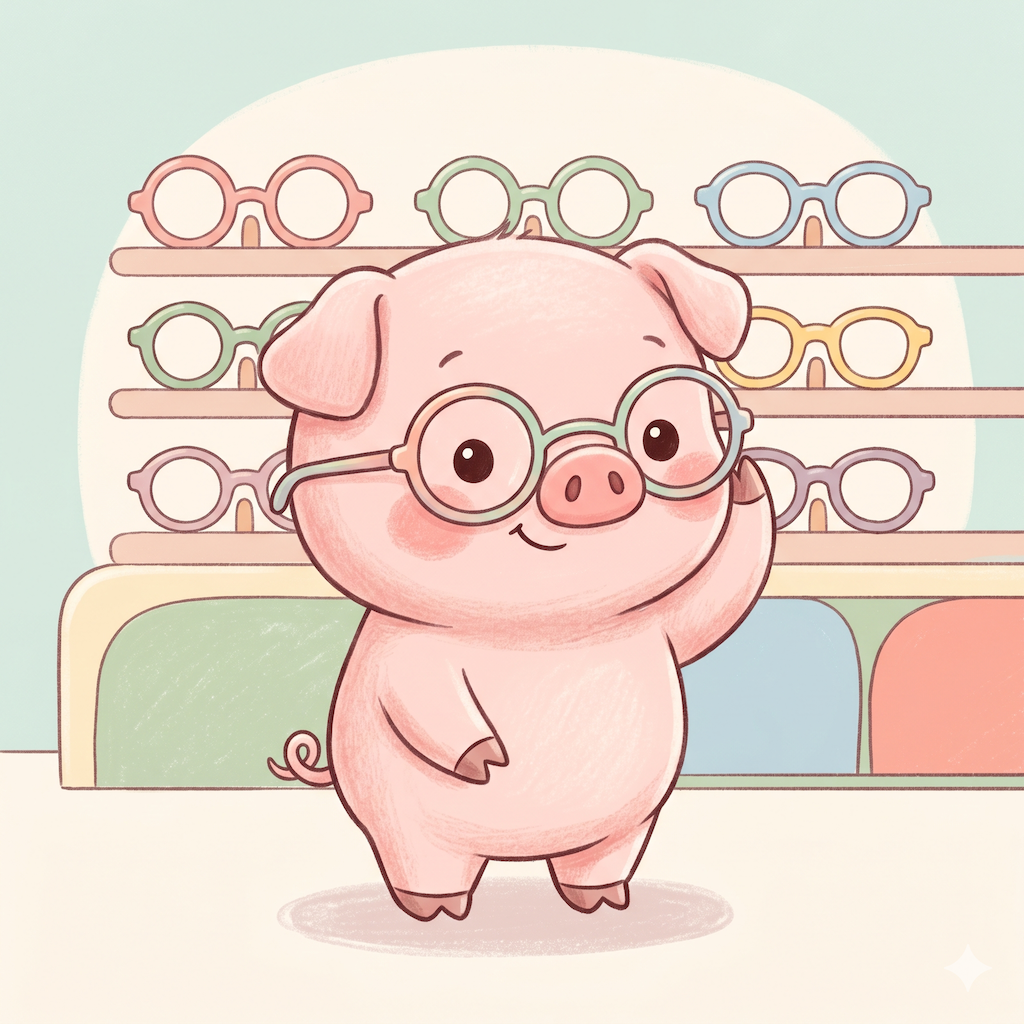
When a child is diagnosed with amblyopia, many parents expect to start with an eye patch. But in most cases the very first treatment is a pair of glasses. Understanding why glasses come first, and how to get a reluctant toddler to wear them, can make the whole journey smoother.
Why Glasses Often Come First
Amblyopia develops because the brain receives a blurry or mismatched image from one or both eyes, so it learns to ignore the weaker signal. Glasses correct the underlying refractive error and deliver a sharp image to the retina. Only then can the brain start paying attention to that eye.
In fact, for many children with refractive amblyopia, glasses alone produce significant improvement before any patching is needed. Eye doctors call this "refractive adaptation," and it can continue for several months. Patching or atropine is often added only after glasses have done as much as they can on their own.
Reading the Prescription
A glasses prescription usually lists three numbers per eye:
- Sphere (SPH): The main correction. A plus value (+) means farsighted; a minus value (-) means nearsighted.
- Cylinder (CYL): The amount of astigmatism, an irregular curvature that blurs vision at all distances.
- Axis: The angle (1 to 180 degrees) where the astigmatism sits.
One term worth knowing is anisometropia: a large difference in prescription between the two eyes. This is a common cause of amblyopia, because the brain quietly favors the clearer eye. Glasses balance the two images so both eyes can be used together.
Choosing Frames a Toddler Will Actually Wear
- Lenses: Ask for polycarbonate or Trivex. They are lightweight, shatter-resistant, and built-in UV protection makes them ideal for active children.
- Fit: The frame should sit level, not slide down the nose, and the eyes should look through the center of each lens.
- Comfort: Flexible, spring hinges survive bending and pulling. A soft adjustable strap (cable temples or an elastic band) keeps glasses on busy toddlers.
- Bridge: Young children have flatter nose bridges, so frames designed for kids fit far better than shrunken adult styles.
- Let them choose the color: Ownership boosts willingness to wear them.
"My Child Won't Keep Them On!"
This is normal at first. The world suddenly looks different, and small children test boundaries. A few strategies that work:
- Start during a calm, enjoyable activity (a favorite show or book) so glasses are linked to something good.
- Keep early sessions short and put the glasses back on calmly every time they come off, without making it a battle.
- Make sure the fit is genuinely comfortable; persistent pulling can mean the frame pinches.
- Let your child see role models in glasses, including you, siblings, or favorite characters.
- Praise wearing, never punish removing. Most children adapt within one to two weeks.
How Often Should the Prescription Change?
Children's eyes grow and change quickly. Most will need a recheck every six to twelve months, and the prescription may be adjusted as the eye develops. Never stretch an old pair past its usefulness: out-of-date lenses put a blurry image back on the retina and can stall amblyopia treatment.
Busting a Common Myth
"Won't wearing glasses make my child's eyes lazy and dependent?" No. This is one of the most persistent myths in eye care.
Glasses do not weaken the eyes. They give the visual system the clear input it needs to develop properly. Withholding glasses to "strengthen" the eyes does the opposite: it deprives the brain of clear vision during the critical years and can make amblyopia worse.
Glasses and Patching Together
Once glasses are doing their job, your doctor may add patching or atropine to push the weaker eye further. Glasses are worn underneath; the patch goes over the stronger eye. This is exactly where Piggy Peekaboo helps, turning that patched time into an engaging game so your child stays focused and willing.
Note: Prescriptions and treatment timing must be set by your eye care professional. Use this guide to support, not replace, their advice.